Mold Inspection and Testing · Greensboro, NC
Mold Inspection & Testing in Greensboro, NC
Start with the question the inspection must answer. Visual assessment and moisture mapping come first. Air or surface sampling is useful only when the result can change a transaction, remediation scope, clearance decision, or documented dispute.
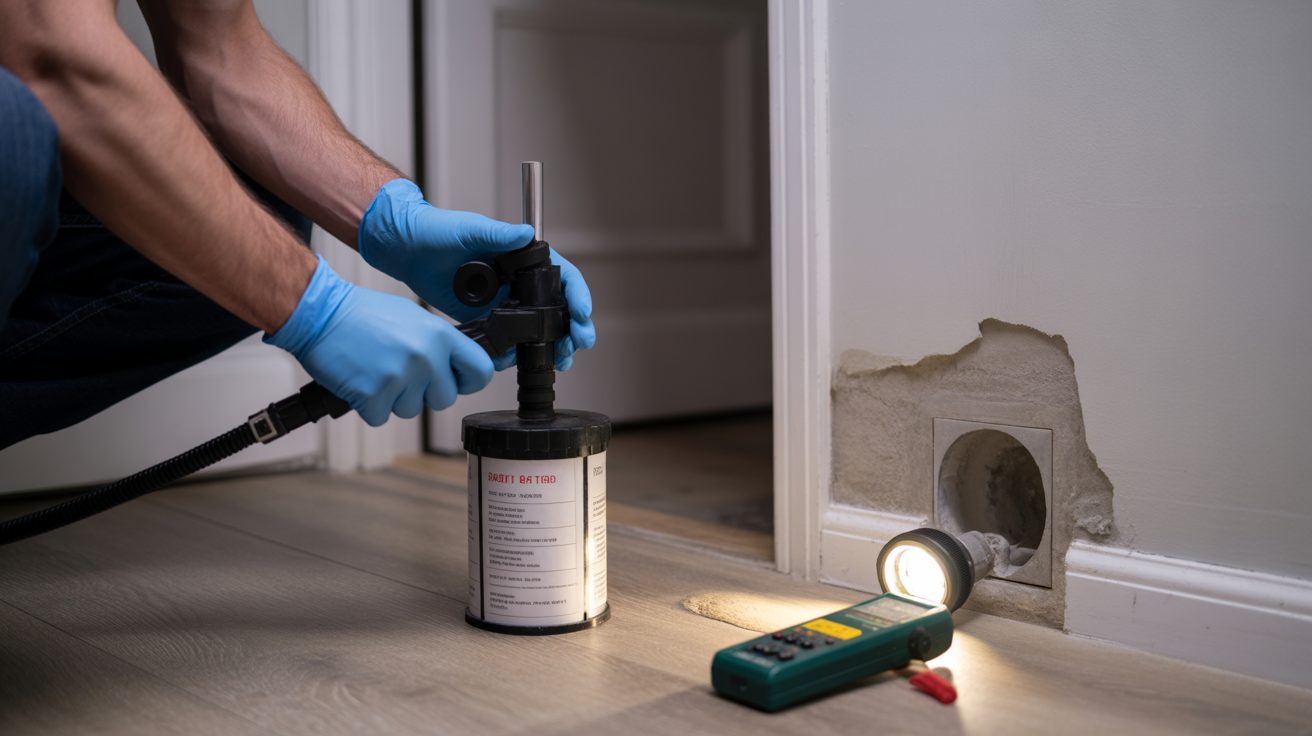
Assessment, sampling, and laboratory analysis are different steps
A mold assessment examines moisture history, visible conditions, materials, ventilation, and likely hidden pathways. Sampling collects a limited air or surface snapshot. Laboratory analysis identifies what was captured. None of those steps can describe an unseen building by itself.
Visual and moisture assessment
Record leaks, condensation, staining, odor, crawlspace or attic conditions, material damage, indoor humidity, and moisture readings. This establishes where targeted investigation is justified.
Targeted sample plan
Each sample should have a reason, location, method, control or outdoor comparison when appropriate, chain of custody, and a stated limitation. More samples are not automatically better evidence.
Written interpretation
The report should connect observations and results to a practical next step without pretending that a single spore count proves the full extent, source, health effect, or repair cost.
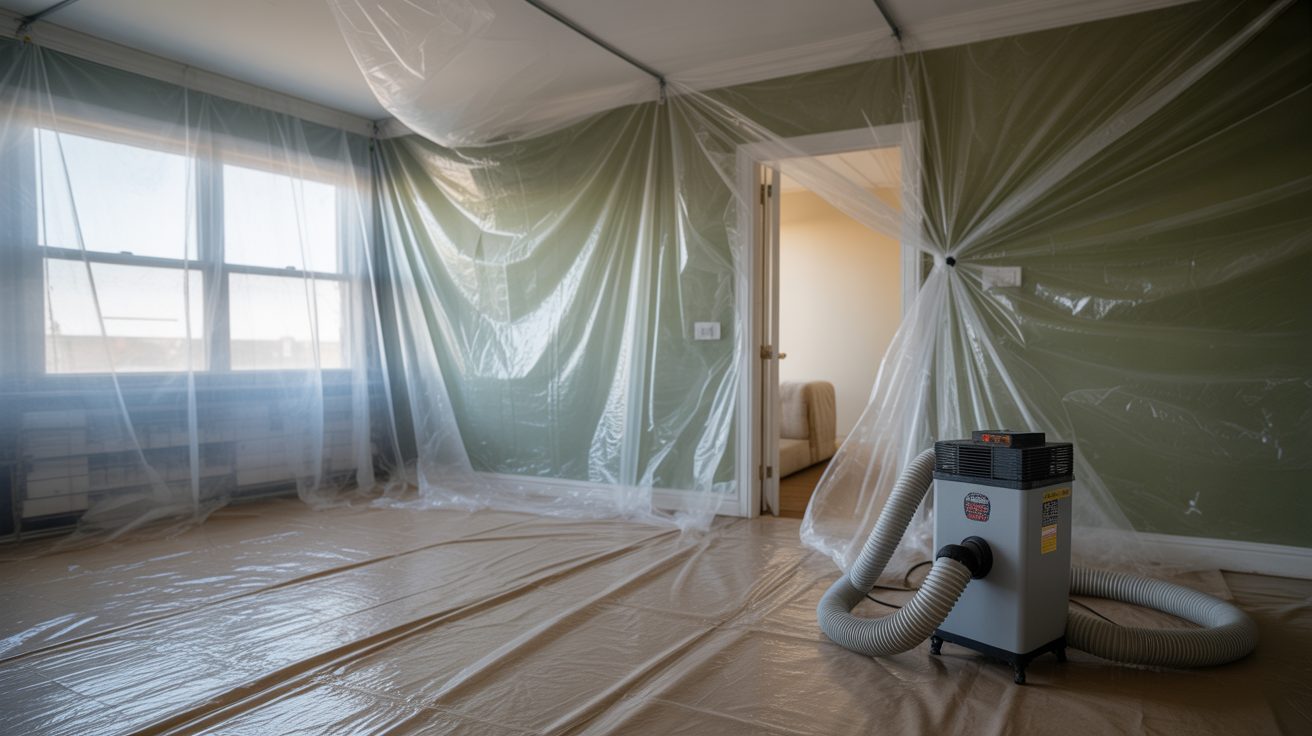
When mold testing earns its cost
Real estate due diligence
A buyer or seller may need a dated record that separates visible moisture defects, suspected hidden growth, sample results, recommended scope, and unresolved limitations before a contingency deadline.
Suspected hidden source
A persistent odor, prior water event, or moisture pattern can justify targeted investigation when no visible growth explains the concern. The plan should focus on likely pathways rather than sampling rooms at random.
Post remediation clearance
Clearance should compare the finished work with the written remediation scope, inspect cleanliness and moisture conditions, and document whether any agreed sampling criteria were met before reconstruction closes the area.
When sampling adds little
If growth and the moisture source are already visible, the more useful spend may be defining safe removal and correcting moisture. Testing should answer a decision, not delay an obvious repair.
Greensboro building conditions to record
Humid summers, vented or enclosed crawlspaces, roof and plumbing leaks, HVAC condensation, and water held against foundations can create different moisture pathways. The inspection should document the actual property conditions rather than infer a cause from the city name.
For crawlspaces, record ground moisture control, drainage, insulation, ductwork, wood moisture, and communication with occupied rooms. For finished spaces, record wall assemblies, flooring, supply lines, exterior openings, and the path from the original water event.
Deliverables to request
- Photo log and moisture map
- Sample locations and reasons
- Chain of custody and lab report
- Written limitations
- Remediation or clearance criteria
Inspection and testing questions
Do I need sampling when mold is visible?
Not always. Begin with the decision the result would change. Visible growth and a known moisture source may justify moving directly to a written remediation scope.
Who should perform clearance?
For an independent result, use an assessor whose compensation does not depend on passing the remediation work and give that assessor the written scope before inspection.
Does one air sample prove a home is safe?
No. A sample is a limited snapshot. Interpret it with visual conditions, moisture findings, sample locations, controls, building history, and stated limitations.
Request mold inspection contact
Describe the property, moisture history, visible conditions, transaction or clearance deadline, and what decision the inspection needs to support.