Mold Remediation · Greensboro, NC
Mold Remediation in Greensboro
Mold removal, remediation, and mitigation begin with the moisture source. Define the affected materials, containment, removal limits, cleaning, and verification before work starts.
Mold removal, mold remediation, mold mitigation, and mold cleanup describe overlapping work. The visible growth, moisture history, materials, and verification goal determine the actual scope.
Request mold remediation contact
Describe the property issue. An independent local provider may contact you after the request is reviewed.

What to do before provider contact
Four things that protect your home and your insurance claim in Greensboro.
- Don't disturb visible mold — scrubbing releases spores into the air
- Turn off HVAC serving the affected area to avoid spreading spores through ducts
- Note any recent water event — mold is always a moisture problem first
- Keep kids and anyone with respiratory issues out of the affected room
Mold removal, remediation, and mitigation in Greensboro
The terms overlap, but a defensible scope follows the same evidence chain: find the moisture, map the affected materials, control spread, remove what cannot be cleaned, and verify the result.
Removal is one task
Visible growth and contaminated porous material may need physical removal. Surface treatment alone does not solve a damp wall cavity, crawlspace, roof leak, plumbing leak, or condensation problem.
Remediation is the complete scope
A remediation plan should identify containment, pressure control, material removal, HEPA cleaning, waste handling, moisture correction, and the conditions required before reconstruction.
Mitigation limits further spread
Stopping water, isolating an affected area, and controlling airflow can reduce additional damage while the permanent repair and remediation scope are developed.
For real estate, tenant, insurance, or clearance disputes, keep the inspection record, sample plan when used, laboratory report, remediation scope, photos, moisture readings, and postwork result as separate documents.
How the process works
A written service scope should separate and document each stage.
Inspect & identify
Visual inspection, moisture readings, and — where useful — air or surface sampling to define the problem.
Contain
Plastic containment and negative air pressure so remediation doesn't contaminate the rest of the home.
Remove & treat
Affected porous materials removed, salvageable surfaces HEPA-vacuumed and treated.
Verify & prevent
Post-remediation verification should be paired with correction of the moisture source and documented closeout records.
Know what's growing: common indoor molds
Species matters less than moisture — but here's what typically shows up in homes, and why containment is non-negotiable.
| Mold type | Where it shows up | Why it matters |
|---|---|---|
| Stachybotrys (black mold) | Chronically wet drywall, paper facing, wood | Mycotoxin producer — needs strict containment |
| Aspergillus / Penicillium | HVAC systems, water-damaged contents | Spreads fast through air handling; allergenic |
| Cladosporium | Bathrooms, window sills, basements | Most common indoor allergen mold |
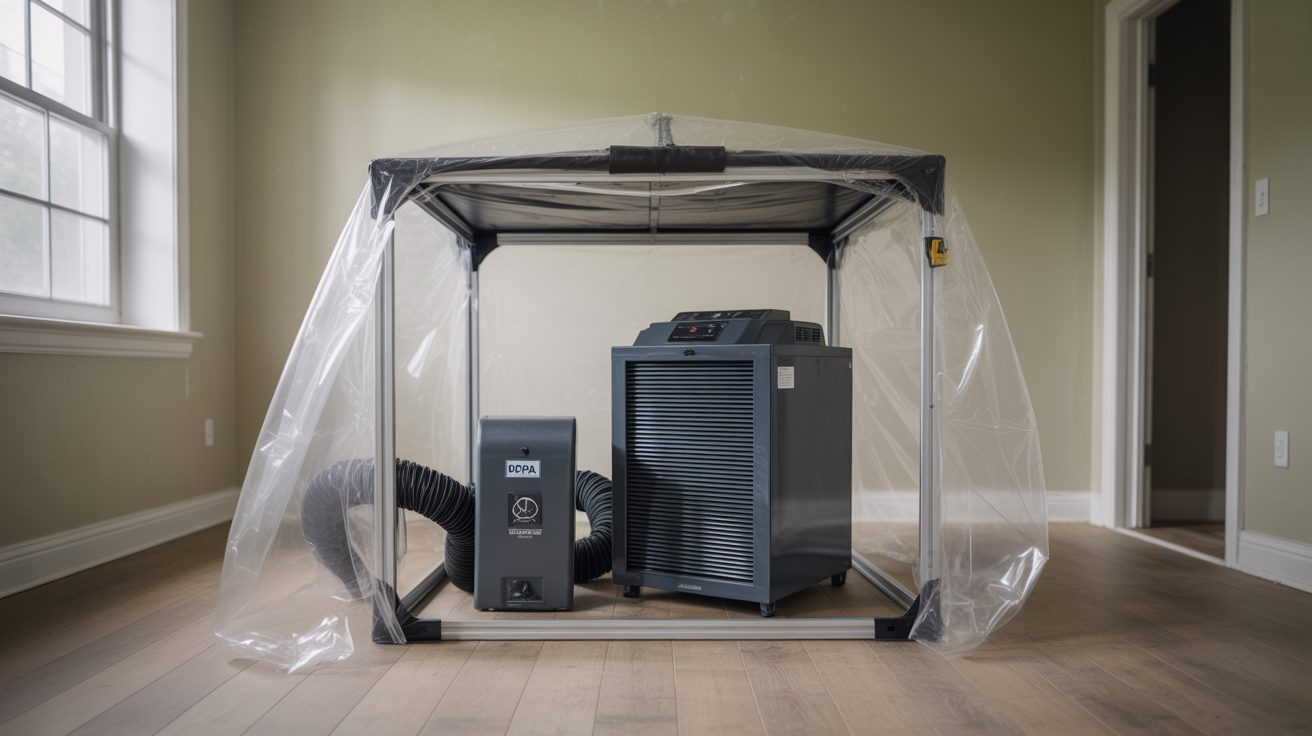
Ask the provider how the scope aligns with current professional mold remediation standards and what documentation will be delivered.
What mold costs in Greensboro
Planning ranges are not bids. Ask the provider for a written, itemized scope before authorizing work.
| Scope factor | What to confirm in writing |
|---|---|
| Damage and affected materials | Areas, quantities, and work limits |
| Equipment and monitoring | Units, days, readings, and completion standard |
| Repairs and exclusions | What is included, excluded, and subject to change |
Service scope options
Mold Remediation
Musty odor, visible growth, or a failed inspection requires a scope covering moisture control, containment, removal, and appropriate verification.
Water Damage Restoration
Standing water requires a scope covering extraction, moisture mapping, drying, contamination controls, and closeout records.
Mold Inspection and Testing
Use visual assessment, moisture mapping, targeted sampling when justified, and post remediation clearance for transactions or disputed conditions.
Will insurance cover it?
The three answers that matter for mold claims in North Carolina.
Usually covered
Sudden, accidental events — burst pipes, appliance failures, fire and smoke damage, and mold caused directly by a covered water event.
Usually excluded
Gradual leaks, deferred maintenance, and rising floodwater — check your policy; NFIP flood coverage.
Records that support review
Photo logs, moisture readings, and itemized scopes support review. Ask the provider to build that record from the first visit.
Built for Greensboro
Piedmont clay soil holds water against foundations, and older Greensboro crawlspaces trap humidity all summer — mold here usually starts underfoot, not overhead.
Requests may be submitted for properties in Greensboro and the surrounding communities of High Point, Summerfield, Oak Ridge, Jamestown, Browns Summit and Pleasant Garden.

Common questions
TerminologyIs mold removal or mold remediation the right term?
Honest answer: you can't remove every mold spore from a building — spores are everywhere. Proper remediation removes active growth, contaminated materials, and the moisture that fed it.
TestingDo I need mold testing first?
If you can see the mold, usually not — spend the money on removal. Testing earns its cost in real-estate transactions, tenant disputes, post-remediation clearance, and health symptoms without visible growth.
HealthIs mold dangerous?
Reactions vary. Avoid disturbing affected material, limit exposure, and ask a health professional about symptoms or individual vulnerabilities.
PreventionWill it come back?
Durable control depends on correcting the moisture source and verifying the completed scope. Ask for both points in the closeout records.